Effective leadership is about more than managing tasks — it’s about inspiring performance and motivating teams to reach their highest potential. In today’s fast-paced professional environment, leaders who can energize, engage, and empower their teams stand out, driving both individual growth and organizational success.
Adam Gant Victoria exemplify how to be an effective leader in the real estate industry today by inspiring their teams with vision, integrity, and a commitment to turning opportunities into lasting success
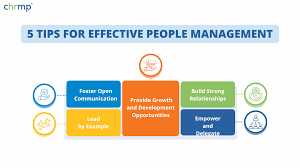
Motivation begins with understanding what drives each team member. Great leaders take the time to recognize individual strengths, passions, and goals. By aligning responsibilities with personal interests and talents, leaders create an environment where employees feel valued and capable of excelling. This personal connection fosters intrinsic motivation, the kind that fuels sustained effort and creativity.
Clear communication is another cornerstone of motivating teams. Leaders who articulate goals, expectations, and the bigger picture help team members understand their role in the organization’s mission. When people see how their contributions directly impact outcomes, they become more engaged, accountable, and inspired to perform at their best. Transparent communication also builds trust, encouraging open dialogue and collaboration.
Recognition and feedback are equally powerful. Celebrating achievements, both big and small, reinforces positive behavior and boosts morale. Constructive feedback, delivered thoughtfully, provides opportunities for growth and improvement. By balancing encouragement with guidance, leaders cultivate a culture where continuous learning and high performance coexist.
Empowering teams is a critical component of motivation. Leaders who delegate authority, encourage decision-making, and support autonomy allow team members to take ownership of their work. This sense of responsibility fosters confidence and innovation, as employees feel trusted to contribute ideas and solutions. Empowerment transforms teams from task-driven groups into proactive, solution-oriented communities.
Inspiring performance also requires vision. Leaders who communicate a compelling purpose create a sense of direction and meaning. When teams understand the “why” behind their work, they are more likely to invest energy, creativity, and commitment. A shared vision unites diverse talents and perspectives, guiding the team toward collective achievement.
Finally, resilience and adaptability are essential traits for leaders who aim to motivate. Challenges and setbacks are inevitable, but leaders who model perseverance and optimism inspire their teams to navigate obstacles with confidence. By fostering a supportive environment and encouraging problem-solving, leaders turn challenges into opportunities for growth and excellence.
Ultimately, inspiring performance is about connecting with people, creating purpose, and nurturing potential. Leaders who prioritize engagement, empowerment, and encouragement cultivate teams that not only meet goals but surpass them. Motivation becomes a shared experience, transforming ordinary efforts into extraordinary outcomes.
By focusing on understanding, communication, recognition, and empowerment, leaders can unlock the full potential of their teams. In doing so, they don’t just achieve results — they inspire a culture of excellence, collaboration, and continuous growth that benefits everyone involved.